
The ₹Crore Mistake: Why Relying on Excel for Daily Reviews is Costing Indian Plants Their Edge
A Day in the Life: The Illusion of Control
It’s 9:30 a.m. You walk into the plant. Production has been humming for three hours. While Indian manufacturing is projected to cross USD 1 trillion in value-added output by 2026, recent data suggests this growth is largely driven by scale not efficiency.
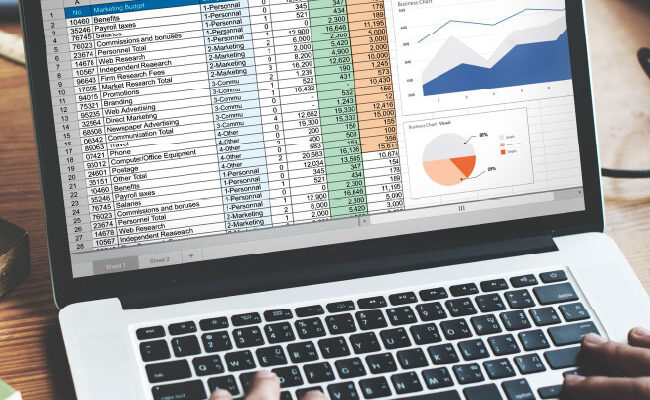
At 9:45 a.m., the “data ritual” begins. One executive walks in with a pen drive; another with printouts. By the time the review starts at 10:30, you’re already behind. You open your management information system software (likely a complex Excel sheet) and see numbers that are already “cold.”
- “Why did Line 3 drop output?”
- “Why was energy 15% higher in Shift B?”
The response is a classic shop-floor shrug: “Sir, this data is from last night; actuals might change.” You nod and proceed, but here is the reality: Only 25–30% of Indian plants use real-time production data today. The rest are driving a high-performance engine by sound, not by a dashboard.
Why Excel is Now a Liability in a $1T Economy
Excel was a godsend during the early stages of manufacturing industry automation. It filled a gap where a central historian data repository was missing. But in 2026, the stakes have changed.
- The Energy Trap
Five years ago, energy was a line item. Today, energy costs form 20–40% of operating costs in energy-intensive sectors. Relying on monthly Excel summaries is no longer just a sustainability issue, it’s a direct hit to the bottom line. Modern industrial IOT solutions allow for tracking energy per SKU and per shift, turning a “cost centre” into a “profit story.”
- The “Shadow Work” of Manual Reporting
Primary research shows a 30–40% reduction in reporting effort after adopting a centralized data historian. When your engineers spend three hours a day cleaning sheets, they aren’t doing engineering. That is a “hidden tax” on your payroll that Excel quietly hides.
- The Productivity Gap
Manufacturing contributes 17% to India’s GDP but employs 27% of the workforce. The productivity gap is widening. However, plants that move to basic overall equipment effectiveness calculation and real-time tracking report an 8–12% output improvement within just 12 months, even without advanced AI.
The Shift: From Hindsight to Operational Intelligence
The goal isn’t just “more data.” Giving AI to a plant without data discipline is like installing a turbo on a misfiring engine. In the Indian context, the most resilient plants are moving toward a no-code industrial automation platform that prioritises “clean data” over “complex algorithms.”
What Changes When You Go Real-Time?
- Faster Root-Cause Analysis: Instead of debating yesterday’s failure, teams see today’s trend. This typically leads to an 8–15% reduction in downtime.
- Role-Specific Visibility: Operators see the “now”; Plant Heads see the “day.” This reduces dashboard fatigue and triggers immediate ownership.
- Rapid ROI: Focused digital initiatives in Indian plants are now seeing a 2–3x ROI within 18–24 months, proving that efficiency is the fastest way to pay for expansion.
The Real Cost is “Delayed Truth”
In 2026, the competitive landscape for Indian manufacturing is unforgiving. Excel-based operations create daily micro-disruptions that have become “normalised.” We have grown comfortable with the lag, but that comfort is expensive.
Excel did not cause the ₹crore loss; delayed visibility did. When truth arrives late, decisions are reactive, corrections are sluggish, and potential savings simply evaporate.
Bridging the Gap
The transition away from Excel isn’t an “IT project” it is a mindset shift toward operational intelligence. It starts by acknowledging that yesterday’s highlights cannot win today’s match. As leadership, the question is no longer about whether the technology exists, but whether we are ready to trade the comfort of the spreadsheet for the control of the shop floor.
Comments are closed